
Demand for chemical raw materials in the semiconductor industry surges
-
 admin
admin
- 16 December 2025
admin
personal profile

Molecular
Versatile Industrial Feedstocks
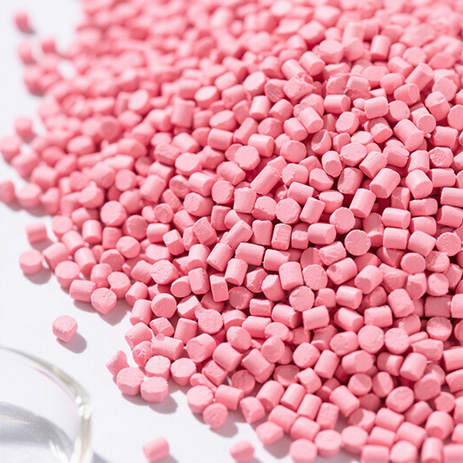
High-energy-storage polymer materials are suitable for energy storage applications.
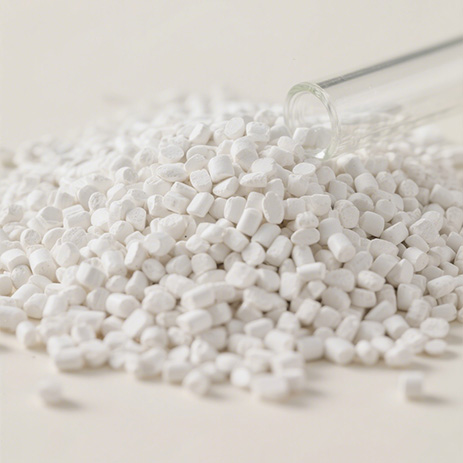
Dynamically adjustable stabilizing agents enhance the material's resistance to environmental interference.
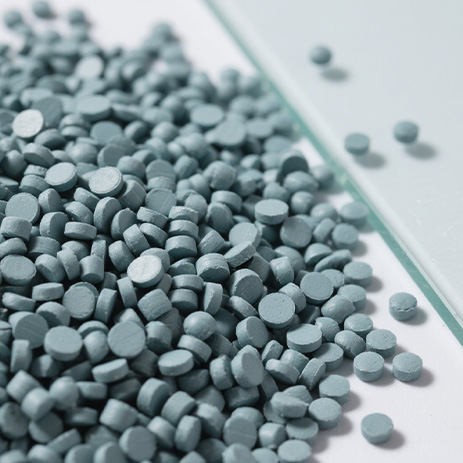
An eco-friendly protective material with both barrier and degradation properties.
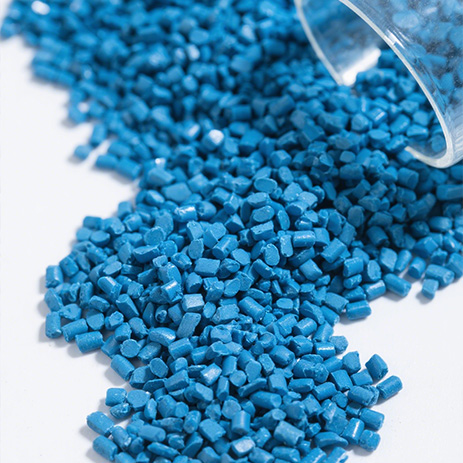
A quick-drying polyurethane repair material suitable for emergency damage repair.
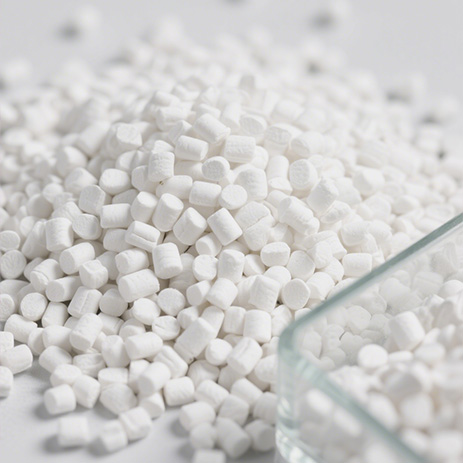
A flexible tactile modifier that enhances material surface texture and comfort.
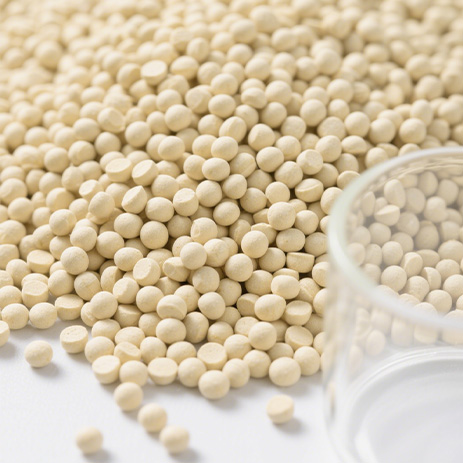
A special coating material for lithium batteries, improving cell safety and cycle life.
Call Us
+8618988832428
High-performance
Performance & Technology
Biobased plastics derived from renewable plant sources.Circular economy raw materials with 90% recycling rate.Low-carbon footprint chemicals reducing carbon emissions by 60%.Reliable supply chain with 99.9% on-time delivery
- We’re professional
- We use quality material
- 100% customers satisfaction
